
CULTURE INCORPORATED
HOW WE WORK
CALM, CLEAR THINKING WHEN THE HUMAN SIDE OF WORK GETS COMPLEX
THOUGHTFUL WORK, DONE PROPERLY
Culture Incorporated works with boards, CEOs and senior leadership teams on the human systems that shape performance – culture, leadership behaviour, trust and psychosocial risk.
This isn’t abstract work. It shows up in decisions, relationships, pressure points and consequences.
Our role is to help leaders make sense of what’s really happening beneath the surface and support them in responding in ways that are practical, proportionate and human.
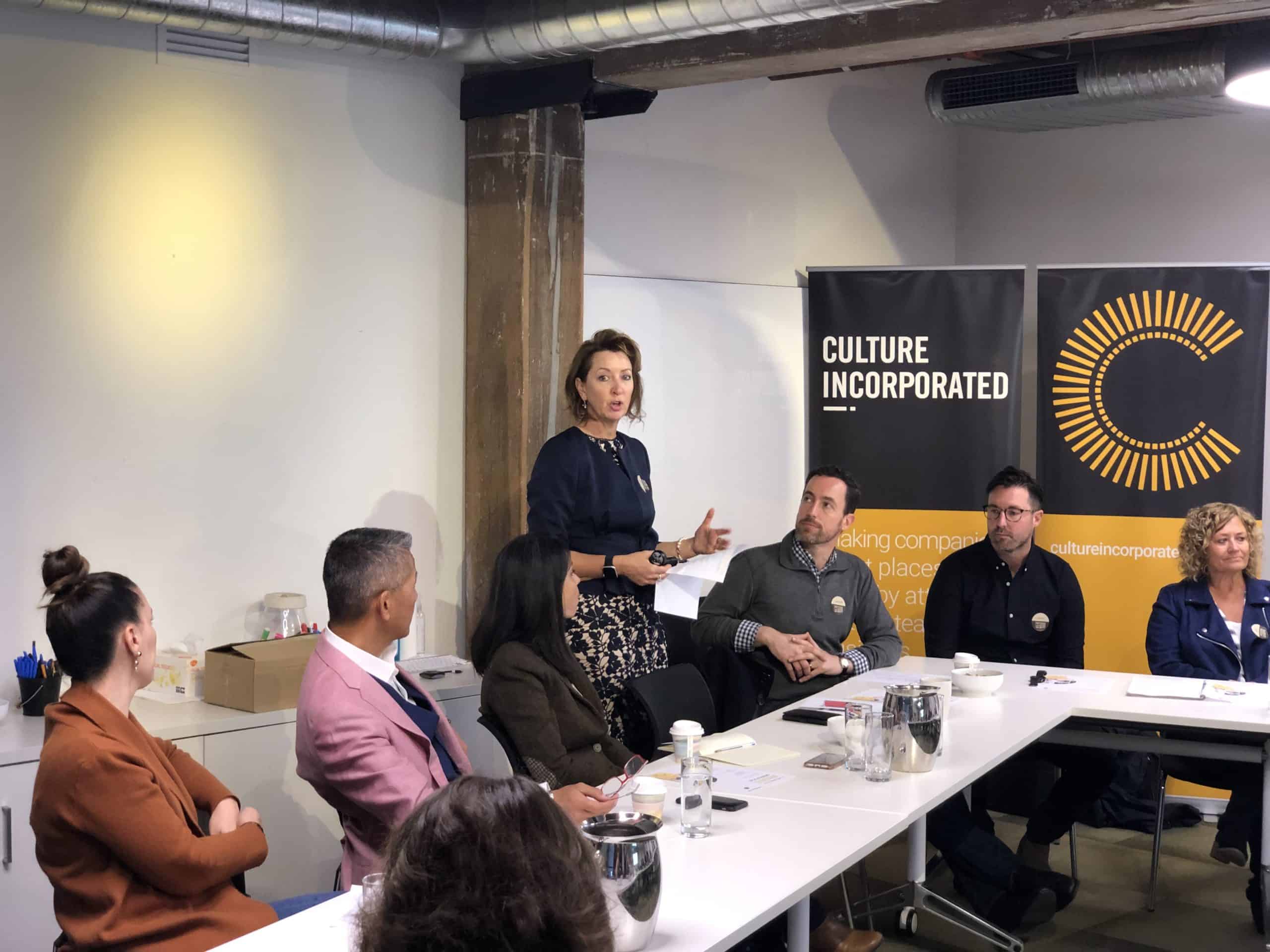
How WE show up
We work alongside you, not above or at arm’s length.
Clients often describe our style as:
- calm in complexity
- curious, not judgmental
- direct without being abrasive
- grounded, practical and human
We ask the questions that don’t always get airtime, translate complex dynamics into clear insight, and help groups have the conversations that move things forward – without turning the work into therapy or theatre.
And yes, we believe you can do hard things without making work miserable.
What guides OUR approach
We’re interested in how work actually gets done, not how organisations wish it worked on paper.
That means paying close attention to:
- how decisions are made
- how power and influence are used
- what gets talked about and what doesn’t
- where intent and lived experience drift apart
- how pressure changes behaviour
Increasingly, that pressure is shaped by technological acceleration, heightened accountability and evolving psychosocial obligations. AI, regulatory scrutiny and sustained uncertainty don’t just change systems – they change behaviour.
We bring a business psychology lens to this work, but we’re not here to theorise – we’re here to help leaders see clearly, think well under pressure, and govern responsibly as the stakes rise.
THIS WORK IS INFORMED BY ONGOING RESEARCH
Alongside our advisory work, we regularly analyse data from leaders and organisations through the Culture Pulse – a research initiative exploring how culture, leadership behaviour, trust and psychosocial risk are showing up in real workplaces.
The value isn’t the survey itself. It’s the patterns that emerge over time – what leaders notice first, what they miss, and where risk and performance quietly start to diverge.
Those patterns sharpen judgement, challenge assumptions, and inform the questions we ask in boardrooms and executive conversations.
You can read more about what this work is revealing here →
Judgement first. Tools second
We don’t start with frameworks, instead we start with:
- context
- people
- pressure
- what’s actually at stake
Over time, we’ve developed and refined a small number of tools and approaches that help make human dynamics visible and discussable. I use them selectively – when they add clarity or momentum – not as one-size-fits-all solutions.
The quality of the thinking matters more than the framework. What changes when we’re no longer in the room matters most.
When this work is most useful
We’re often brought in when organisations are:
- navigating growth, change or complexity
- sensing cultural drift or trust erosion
- dealing with leadership pressure or behavioural patterns that are starting to affect trust, alignment or decision-making
- working through psychosocial risk and wellbeing obligations
- trying to align stated values with lived experience
Sometimes it’s preventative, sometimes responsive. Often it’s both.
Beyond Advisory Work
Alongside advisory work, Julie facilitates executive conversations, leadership immersions and keynote sessions that help leaders make sense of pressure, culture and leadership behaviour under real-world conditions.

founded by JULIE ALEXANDER-BINGHAM
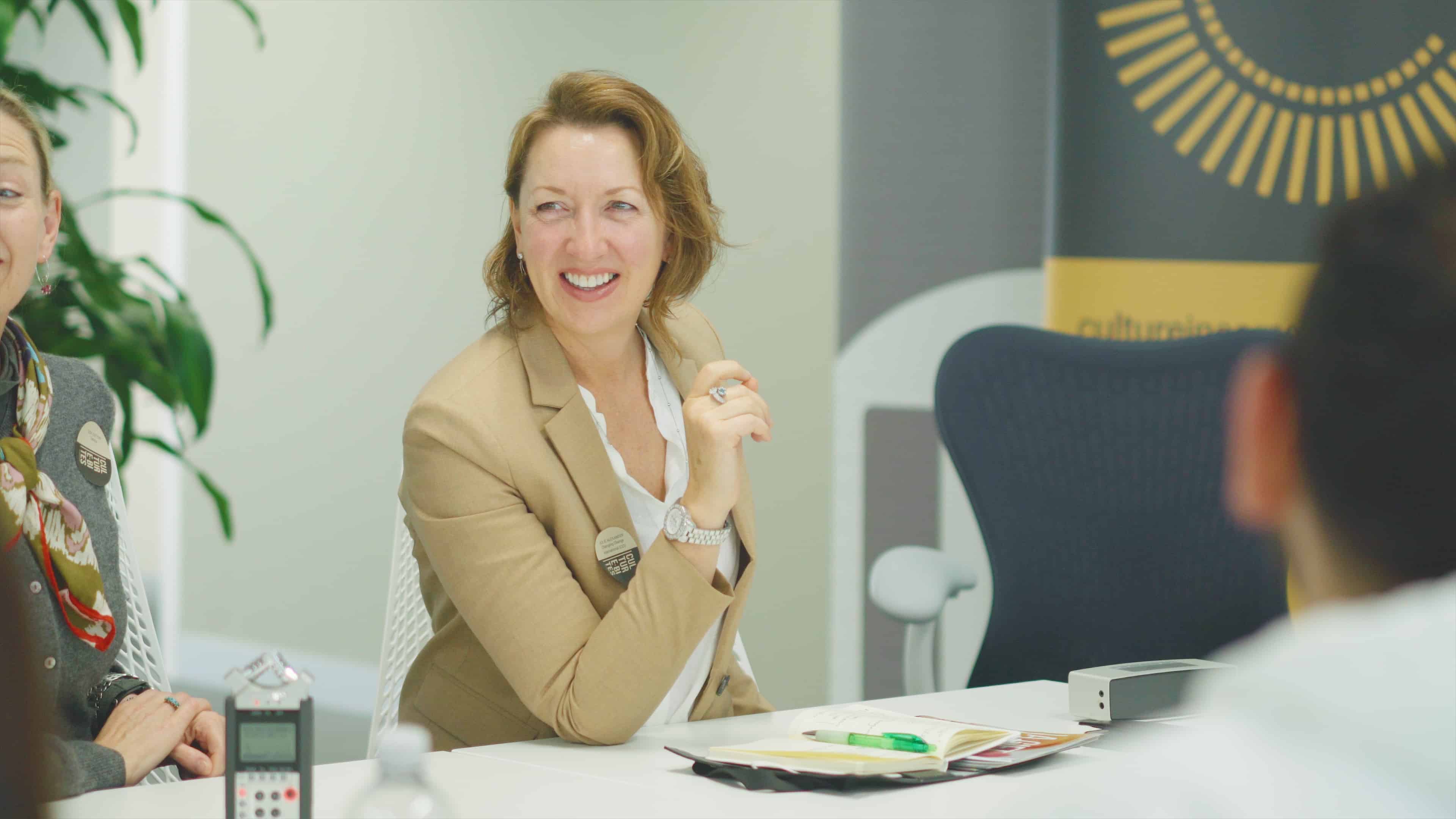
Julie founded Culture Incorporated after years working alongside boards, CEOs and senior leadership teams when the human side of work becomes complex, sensitive or consequential. Much of that work happens in moments where judgement matters more than tools, and clarity matters more than confidence.
With a background in business psychology and senior leadership advisory, Julie’s interest is in how decisions are actually made, how pressure shapes behaviour, and how small misalignments quietly turn into bigger risks if they’re left unexamined, rather than abstract theory,
Julie cares deeply about this work – and is deliberate about how it’s done. Rather than being driven by ideology, hype or one-size-fits-all answers. she’s helping leaders see clearly and act responsibly when it matters.
CURIOUS
ABOUT WHAT MAY BE QUIETLY SHAPING PERFORMANCE, TRUST OR RISK IN YOUR ORGANISATION?
If these themes reflect conversations already happening in your boardroom or leadership team, a considered discussion is often the right next step.