
CULTURE INCORPORATED
GREAT CULTURES BUILD GREAT COMPANIES
Helping boards, CEOs, senior leaders & their teams strengthen culture, develop leadership & create the conditions for sustainable performance
WHAT MAKES SOME ORGANISATIONS GREAT PLACES TO WORK?
Two organisations can have similar strategies, structures and values, yet feel completely different to work in.
In one, people collaborate, challenge ideas, make decisions and get things done. In another, equally capable people may become more cautious, conversations more guarded and decisions harder than they need to be.
The difference isn’t necessarily the people. It’s often the conditions in which they’re working.
Culture is shaped every day, through leadership behaviour, relationships, conversations, decisions and the unwritten rules that influence how things really get done.
Understanding those conditions helps organisations build on what works, recognise what may be getting in the way and make better decisions about what comes next.
WHAT REALLY SHAPES HOW ORGANISATIONS WORK?
Boards and senior leaders devote considerable attention to strategy, governance, organisational structure, financial performance and risk. And rightly so.
But every one of these is experienced through people.
Through the decisions they make, the conversations they have, the priorities they set, the behaviours they reward and the judgements they exercise every day.
Together, these interactions shape how an organisation really functions, regardless of what’s written in its strategic plans or values statements.
These interconnected patterns of behaviour, relationships, decisions and organisational conditions are what we call Human Systems.
MAKING THE CONNECTIONS OTHERS MISS
Sometimes organisations want to understand what makes their culture strong, develop their leaders or prepare for growth and change.
Sometimes something isn’t working as it should. Trust is weakening, decisions are becoming harder or previous attempts to improve culture and behaviour haven’t delivered lasting results.
Different starting points, but the same underlying question:
What is happening across the Human System that’s shaping the outcomes we’re seeing?
Our role is to make those connections visible, helping leaders understand what’s working, what may be getting in the way and where attention will make the greatest difference.
Because meaningful change starts with understanding how things really work.
A DIFFERENT WAY OF SEEING HOW ORGANISATIONS WORK
Every organisation has its own patterns. Some enable people to do their best work. Others create friction, often without anyone quite understanding why.
These patterns don’t always show up in performance reports or dashboards. You find them in everyday behaviours, conversations, decisions, relationships, and how people respond to changing demands.
Our Human Systems Framework™ helps make these connections visible.
Drawing on behavioural science, business psychology and practical organisational experience, it provides a structured way to explore how organisational intent, design, practice and capacity influence culture, leadership, judgement and performance.
It helps us understand what’s working well, where things may be pulling against one another and where attention could make the greatest difference.
The framework isn’t the starting point for every engagement. It’s part of the thinking that helps us find the right starting point.
Human Systems Lens™
Explores how organisational intentions, structures, everyday practices and capacity work together or pull against one another.
Human Systems Exposure Model™
Examines how pressure can influence behaviour and judgement, and when those changes may create organisational risk.
Human Systems map™
Reveals what’s working, where the foundations are strong and where friction or gaps may be emerging.
Human Systems exposure canvas™
Examines where organisational conditions may be creating, increasing or concentrating exposure, its potential significance, how visible it is and who owns it.
HOW WE WORK
We’re curious about what makes organisations tick. What brings out the best in people, why some teams thrive and how culture is shaped by the everyday experience of work.
We bring fresh perspectives, ask questions that don’t always get airtime and connect the dots between leadership, culture, organisational conditions and performance.
Our approach combines behavioural science, business psychology and decades of commercial experience. We work with leaders and their teams to understand what’s happening, challenge assumptions and find practical ways forward.
Sometimes that means a focused workshop, leadership development or facilitating an important conversation. Sometimes it calls for deeper exploration of the Human Systems shaping organisational outcomes.
Curious, collaborative and practical. Serious about the work, without taking ourselves too seriously.
WHY THIS WORK MATTERS
Great cultures and strong performance don’t happen independently of one another.
They’re shaped by the everyday decisions people make, the relationships they build, the conversations they have and the conditions in which they work.
When those conditions support trust, collaboration and good judgement, people are better able to contribute, adapt and perform. When they create uncertainty, competing priorities or unnecessary pressure, even capable and committed people can struggle to do their best work.
Organisational conditions shape behaviour
Behaviour influences judgement and decisions
Together, they shape culture, performance and risk
Understanding these connections helps organisations strengthen what works, recognise emerging challenges and make more informed choices about what comes next.
WHEN ARE WE BROUGHT IN?
Organisations come to us for different reasons.
Sometimes they’re building on success, bringing new leaders together, strengthening their culture or preparing for growth.
Other times, something isn’t working as it should. Relationships are strained, decisions are harder or previous attempts to improve culture and performance haven’t delivered lasting change.
Both are opportunities to understand how the organisation really works and where attention can make the greatest difference.
BUILDING ON WHAT’S WORKING
- A new executive or leadership team is coming together
- An organisation is growing, expanding or entering a new phase
- Leaders want to strengthen culture and bring values to life
- Leadership capability and team effectiveness need developing
- An organisation wants to preserve what makes it special as it evolves
- Important conversations need skilled, independent facilitation
UNDERSTANDING WHAT’S GETTING IN THE WAY
- Trust, relationships or leadership dynamics are changing
- Values and everyday behaviours aren’t matching expectations
- Decisions are becoming slower, more cautious or fragmented
- Change is creating fatigue rather than momentum
- Culture or leadership initiatives haven’t delivered lasting results
- Organisational pressure, psychosocial risk or governance concerns are emerging
The starting point may be a focused conversation, a leadership workshop, a development program, or a more comprehensive advisory engagement.
We meet organisations where they are, not where we assume they should be.
GREAT CONVERSATIONS MOVE ORGANISATIONS FORWARD
Great ideas deserve to be shared, challenged and discussed.
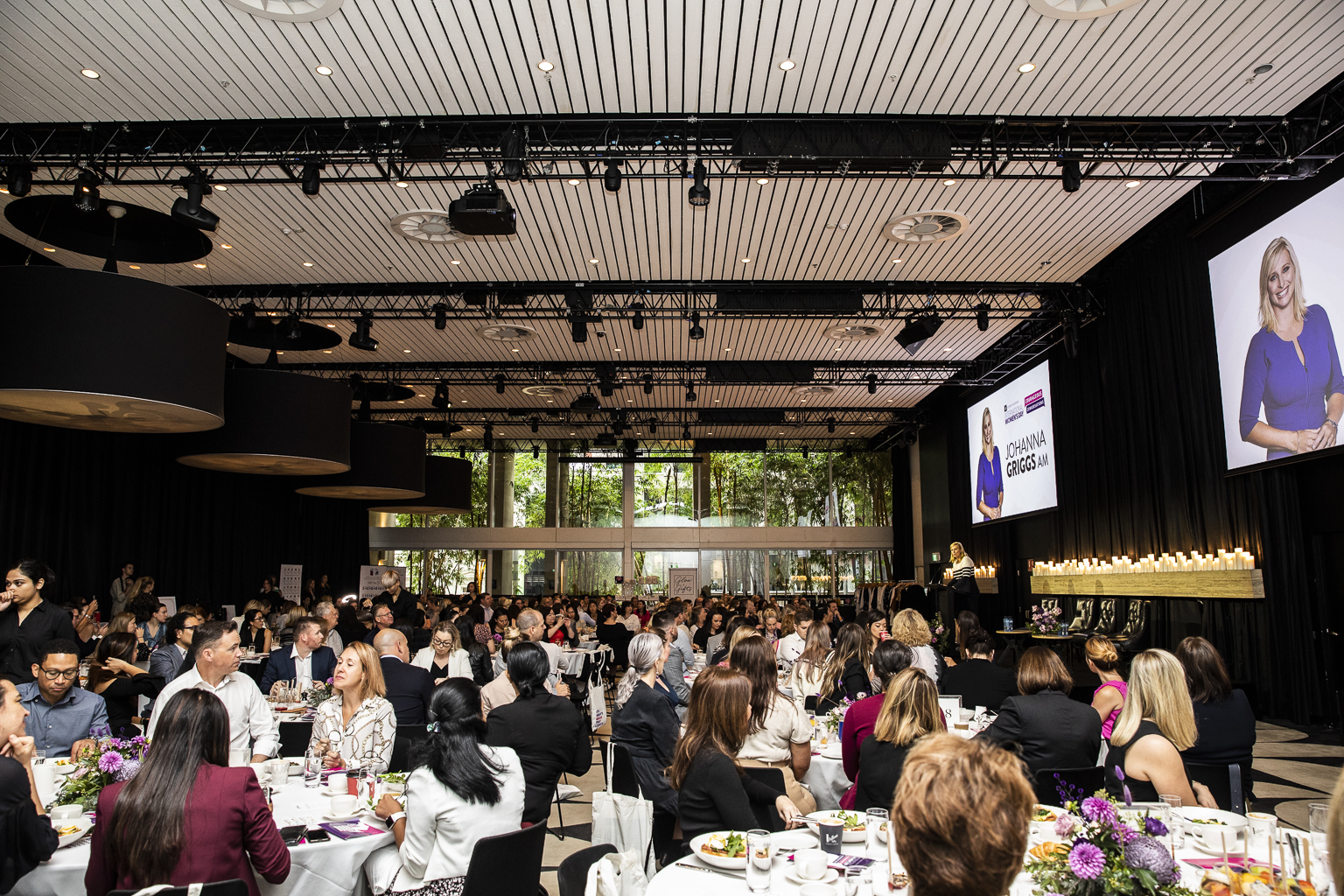
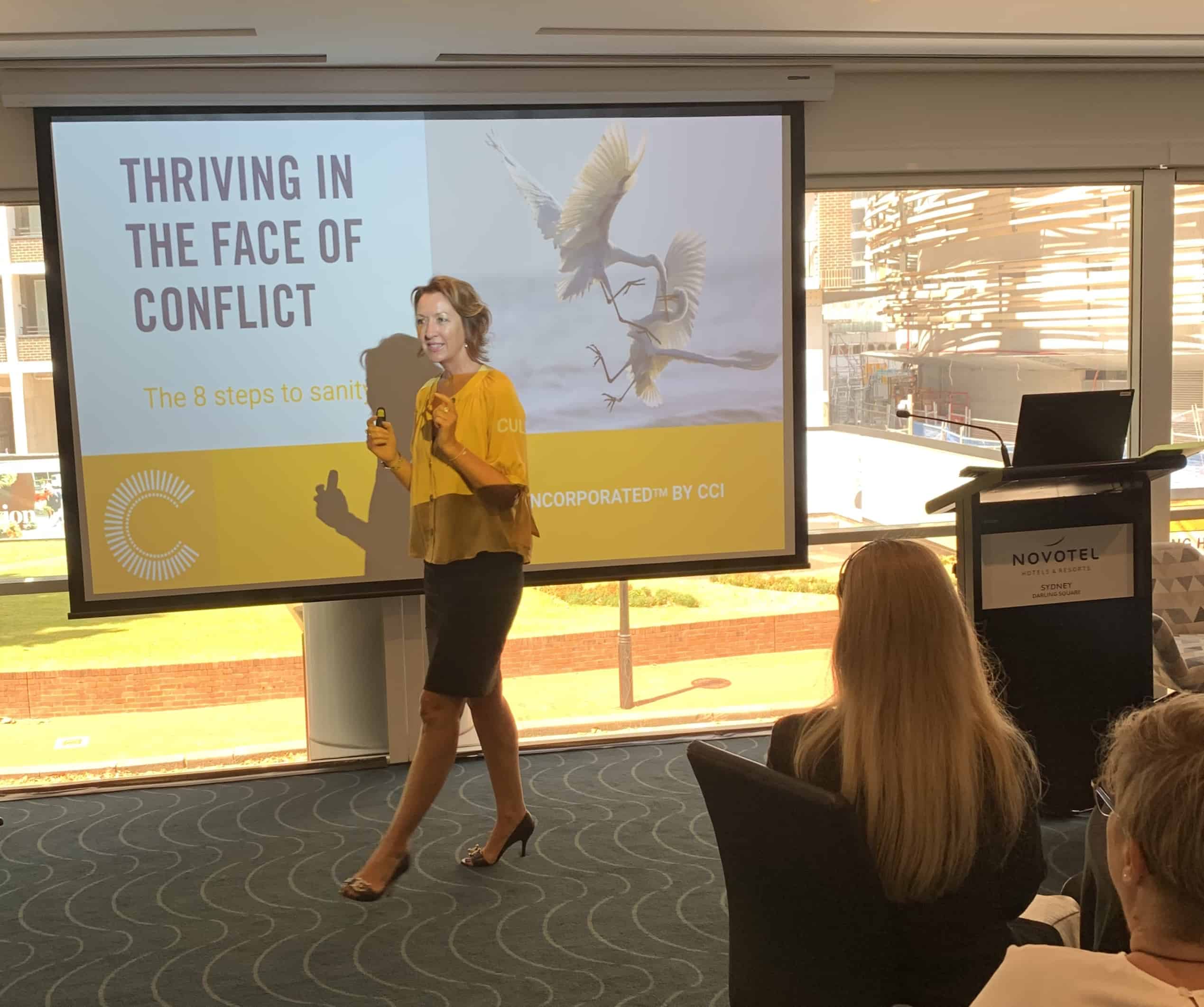
Our founder, Julie Alexander-Bingham, also brings her perspective on culture, leadership and the human side of business to conferences, events and wider conversations.
As a speaker, event chair, moderator and writer, she connects ideas, challenges assumptions and brings fresh perspectives to the questions shaping how we work and lead.
Thought-provoking, engaging and grounded in the realities of business.
Explore Julie’s speaking, event chairing and thought leadership at juliealexander.com.au.
INSIGHTS
Reflections, research and clear thinking on leadership behaviour, psychosocial risk and the human systems shaping performance, trust and risk.
For leaders who like thinking – not just templates.
CURIOUS
ABOUT WHAT WE COULD ACHIEVE TOGETHER?
Whether you want to strengthen your culture, bring a leadership team together, navigate change, or explore something that isn't quite working, we'd love to hear from you.
Sometimes a conversation is the best place to start.